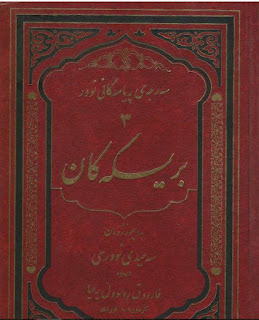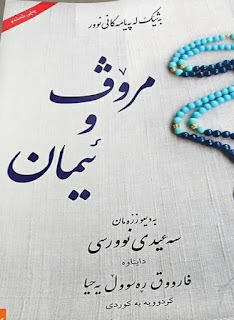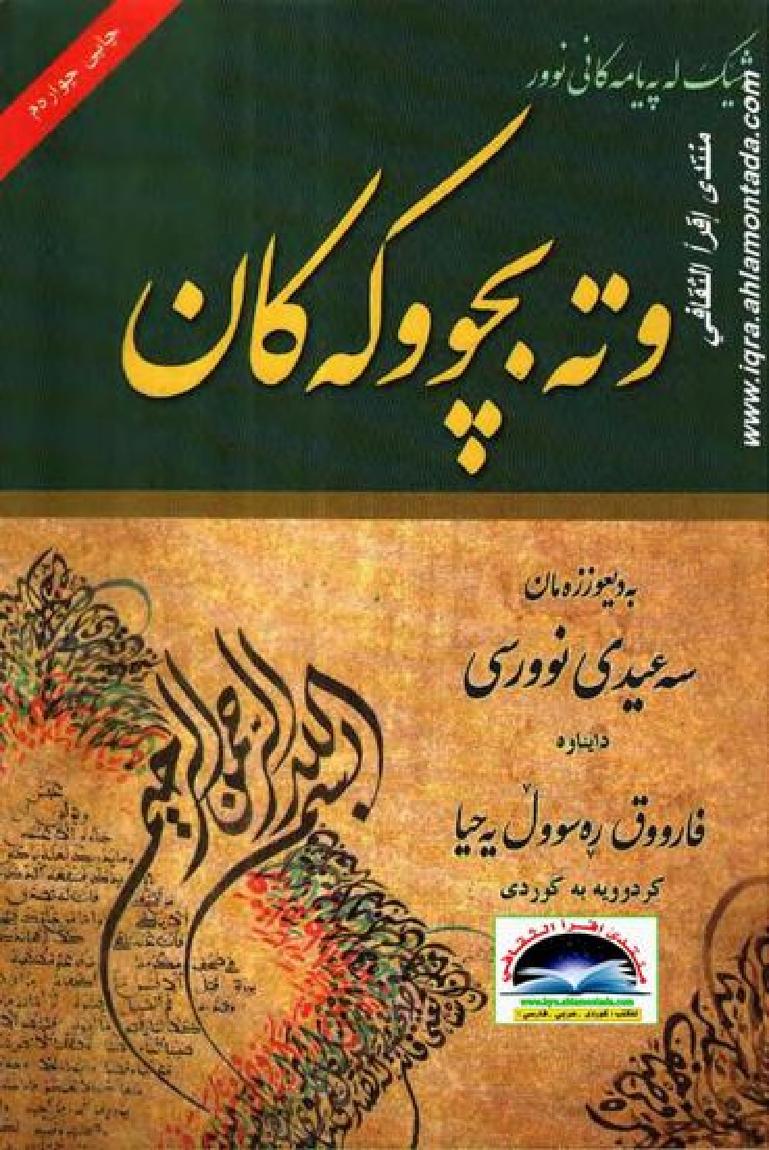
PDF
Authors
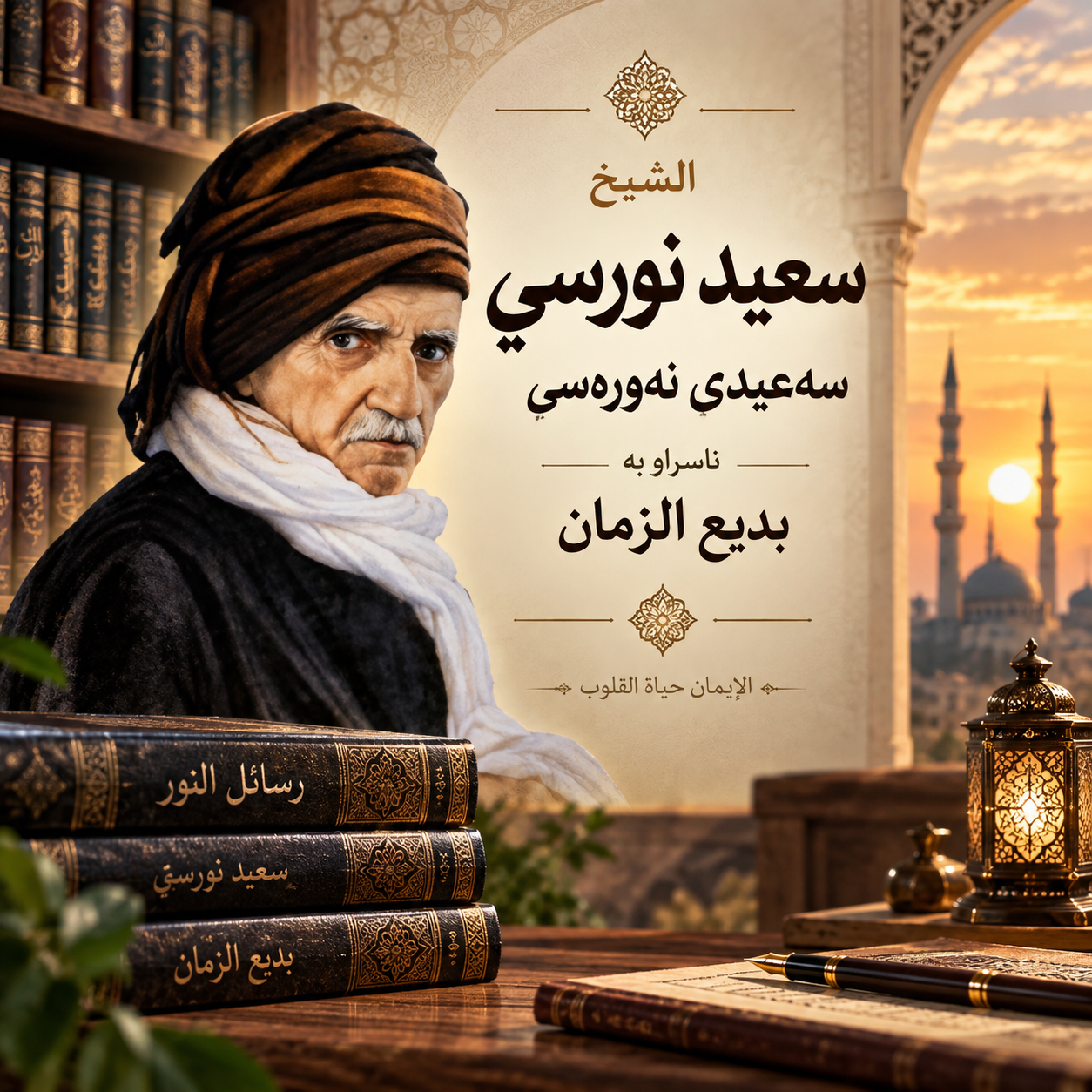
Said Nursi Portfolio & Bio | پرۆفایلی سەعید نەورەسی
کوردی (Kurdish)
سەعید کوڕی میرزا ناسراو بە بدیع الزمان سەعید نەورەسی (Said Nursi)، یەکێکە لە کاریگەرترین و دیارترین زانا، فەیلەسۆف، مفسر و موجەدیدە ئیسلامییەکانی سەرەتای سەدەی بیستەم. ئەو بەهۆی پڕۆژە فیکری و تەفسیرە ناوازەکەی بە ناوی "پەیامەکانی نوور" (رسائل النور)، توانی ڕووبەڕووی شەپۆلەکانی مادیگەرایی و بێباوەڕی ببێتەوە لە قۆناغی گواستنەوەی تورکیا لە دەوڵەتی عوسمانییەوە بۆ کۆماری عەلمانی، و قوتابخانەیەکی گەورەی بێدارکردنەوەی ڕۆحی لە ناوچەکەدا دابمەزرێنێت.
ژیانی سەرەتا، لێهاتوویی و وەرچەرخان:
سەعید نەورەسی لە ساڵی ١٨٧٧ی زایینی لە گوندی "نەورەس" لە ناوچەی بەدلیس لە باکووری کوردستان لەدایکبووە. لە تەمەنێکی زۆر گەنجیدا بەهۆی ژیریی بێوێنە و توانای لەبەرکردنی خێرای کتێبە قورسەکان، لەلایەن زانایانی سەردەمی خۆیەوە نازناوی "بدیع الزمان" (شاکاری سەردەم)ی پێبەخشرا. ژیانی ئەو بەسەر دوو قۆناغی سەرەکیدا دابەش دەبێت: "سەعیدی کۆن" کە تێیدا زیاتر خەریکی چالاکی سیاسی، ڕۆژنامەوانی، پاراستنی خەلافەت و هاندانی دامەزراندنی زانکۆی "مدرست الزهراء" بوو، و قۆناغی "سەعیدی نوێ" کە دوای جەنگی جیهانی یەکەم و بەدیلبوونی لە ڕووسیا دەستی پێکرد، کاتێک بە تەواوی خۆی بۆ پەروەردەی ڕۆحی، دوورکەوتنەوە لە سیاسەت و نووسینی پەیامەکانی ئیمان تەرخانکرد.
ململانێ، دوورخستنەوە و مێتۆدی فیکری:
نەورەسی زۆربەی ژیانی لەژێر چاودێری توند، دادگاییکردن، زیندان و دوورخستنەوەدا (نفی) بەسەر برد لەلایەن دەسەڵاتدارانی کۆماری نوێی تورکیاوە. مێتۆدی فیکری ئەو لەسەر بنەمای "سەلماندنی حەقیقەتەکانی ئیمان لە ڕێگەی لۆژیک و زانستی هاوچەرخەوە" دامەزرابوو. ئەو پێی وابوو کە چەکی گەورەی موسڵمانان لەم سەردەمەدا زانست و مەعریفەیە، نەک توندوتیژی. پەیامەکانی ئەو بە شێوازێکی نهێنی لەلایەن قوتابییەکانیەوە (قوتابیانی نوور) بە دەست دەنووسرانەوە و لە سەرانسەری وڵاتدا بڵاودەکرانەوە. ئەو لە ساڵی ١٩٦٠ی زایینی لە شاری ئورفە کۆچی دوایی کرد.
بڵاوکراوەکان و میراتی زانستی:
موسۆعەی گەورەی "رسائل النور" (پەیامەکانی نوور) کە پتر لە ١٣٠ پەیام لەخۆدەگرێت، گرنگترین میراتی ئەوە کە وەرگێڕدراوەتە سەر دەیان زمانی جیهانی (لەوانەش زمانی کوردی). ئەم موسۆعەیە دابەش دەبێت بەسەر چوار بەشی سەرەکیدا:
الكلمات (وشەکان): کۆمەڵە پەیامێکی فەلسەفی و ئیمانی قووڵە کە تێیدا لە ڕێگەی هاوشێوەکردن و لۆژیکەوە، بابەتەکانی وەک بوونی خودا، حەشر، و ڕاستێتی قورئان دەسەلمێنێت.
المكتوبات (نامەکان): وەڵامدانەوەی کۆمەڵێک پرسیاری فیکری، مێژوویی و دەروونییە کە لە لایەن قوتابیانی زانستەوە ئاڕاستەی کراون.
اللمعات (تیشکەکان): پەیامگەلێکی زۆر کاریگەرن لەسەر چارەسەری دەروونی، ئارامی ڕۆحی، ئەخلاق و گرنگیدان بە نەخۆش و بەساڵاچووان.
الاشارات (ئاماژەکان / دەستەکان): کۆمەڵێک پەیامی تری تەواوکارن لەوانە "سیرەی ژیانی" (تاریخچە حیات) و تەفسیری "إشارات الإعجاز" کە قووڵیی ئەو لە زمانەوانی و فەرموودەدا نیشان دەدات.
لەم پلاتفۆرمەدا، ئەم بەشە تەرخانکراوە بۆ پێشکەشکردنی لێکۆڵینەوە فیکرییەکان، شیکردنەوەی دەقەکان و تیشکخستنە سەر قوتابخانەی پەیامەکانی نووری بدیع الزمان سەعید نەورەسی.
English (ئینگلیزی)
Badiuzzaman Said Nursi (1877–1960) was one of the most profoundly influential Islamic scholars, philosophers, theologians, and revivalists of the early 20th century. Living through the turbulent transition from the multi-ethnic Ottoman Empire to the secular Republic of Turkey, his monumental Quranic commentary, the *Risale-i Nur* (Epistles of Light), established an intellectual and spiritual framework dedicated to protecting faith against modern materialism, positivism, and state-enforced secularization.
Early Life, Prodigious Intellect, and Paradigm Shifts:
Said Nursi was born in 1877 in the village of Nurs, located in the Bitlis province of Ottoman Kurdistan. Due to his extraordinary photographic memory and unmatched speed in mastering classical Islamic curricula, contemporary scholars bestowed upon him the honorary title of *Badiuzzaman* (The Wonder of the Age). His life is historically bifurcated into two eras: "The Old Said," characterized by active socio-political activism, defense of constitutionalism, and plans to construct a modern university (*Medresetü'z-Zehra*); and "The New Said," emerging after WWI and Russian captivity, during which he completely withdrew from politics to focus strictly on spiritual and theological renewal.
Exile, Judicial Trials, and Intellectual Resiliency:
Nursi spent nearly three decades of his life subjected to continuous house arrests, strict military surveillance, regular poisonings, and remote exiles across Turkey. His intellectual methodology relied strictly on utilizing natural science and rational logic as tools to corroborate Quranic truths, arguing that modern science naturally glorifies God. Because publishing Islamic literature was institutionalized as illegal, his masterpieces (*Risale-i Nur*) were handwritten secretly by a vast network of dedicated disciples known as the "Students of Light" and distributed across the provinces. He passed away in 1960 in the city of Urfa.
The Risale-i Nur Corpus and Scholarly Legacy:
The *Risale-i Nur* is an encyclopedic thematic commentary on the Quran spanning over 130 epistles, extensively studied globally and translated into dozens of modern languages. The core corpus is divided into four major masterworks:
The Words (Sözler): A profound theological collection utilizing allegories, logic, and philosophy to validate foundational dogmas including Monotheism, Resurrection, and Revelation.
The Letters (Mektubat): A compilation of correspondence answering complex historical, linguistic, existential, and spiritual inquiries raised by his contemporary inner circle.
The Flashes (Lem'alar): A highly practical, deeply moving collection addressing emotional healing, ethics, parental dynamics, and providing profound solace for the sick and elderly.
The Rays (Şualar): A monumental volume containing core judicial defenses delivered by Nursi in secular courtrooms, alongside advanced proofs of divine unity and cosmological order.
On this website, this profile acts as an academic and educational hub dedicated to providing contextualized historical readings, thematic analysis, and critical breakdowns of the philosophical literature of Badiuzzaman Said Nursi.
3 books found