نووسەران
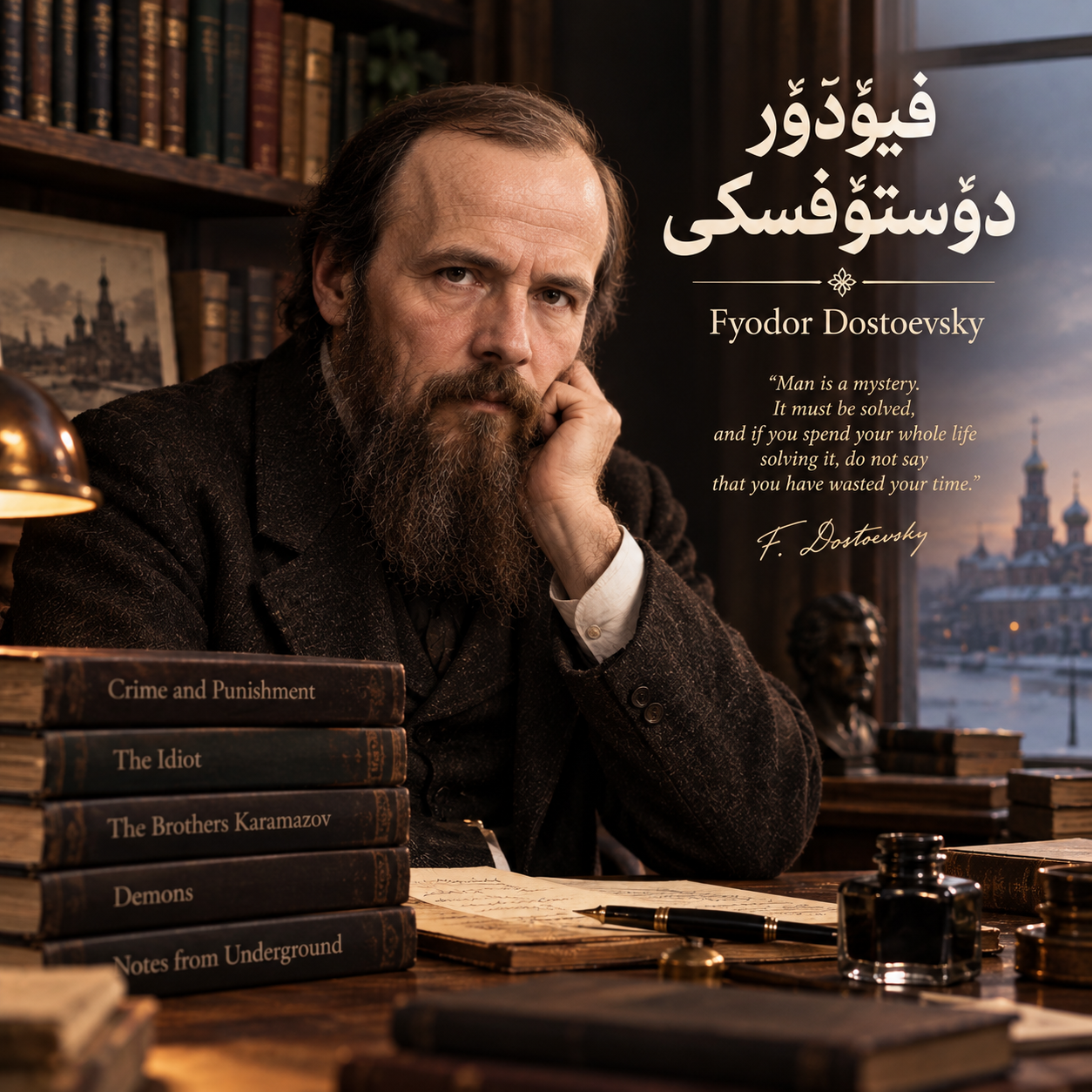
Fyodor Dostoevsky
ئەو نووسەرانە بناسە کە ئەم کتێبانەیان نووسیوە.
Fyodor Dostoevsky Portfolio & Bio | پرۆفایلی فیۆدۆر دۆستۆڤسکی
کوردی (Kurdish)
فیۆدۆر میخایلۆڤیچ دۆستۆڤسکی ناسراو بە فیۆدۆر دۆستۆڤسکی (Fyodor Dostoevsky)، یەکێکە لە مەزنترین، کاریگەرترین و قووڵترین ڕۆماننووس و بیرمەندەکانی مێژووی مرۆڤایەتی و ئەدەبی ڕووسی. ئەو لە سەدەی نۆزدەهەمدا ژیاوە و بەهۆی لێکۆڵینەوە دەروونییە قووڵەکانی لەسەر مرۆڤ، ململانێ ڕۆحییەکان و دۆخی سیاسی و کۆمەڵایەتی ڕووسیای قەیسەری، وەک باوکی دەروونناسی لە ئەدەبدا سەیر دەکرێت و کارەکانی کاریگەرییەکی قووڵیان لەسەر فەلسەفەی وجودی، سوریالیزم و ئەدەبی مۆدێرن جێهێشتووە.
ژیانی سەرەتا، زیندانیکردن و وەرچەرخان:
دۆستۆڤسکی لە ساڵی ١٨٢١ی زایینی لە شاری مۆسکۆ لەدایکبووە. لە تەمەنێکی گەنجیدا دایکی و باوکی کۆچی دواییان کرد، و ئەو لە بەشی ئەندازیاری سەربازی خوێندی. کاروانی ئەدەبی ئەو بە ڕۆمانی "خەڵکی هەژار" دەستی پێکرد کە سەرنجی ڕەخنەگرانی ڕاکێشا، بەڵام لە ساڵی ١٨٤٩دا بەهۆی بەشداریکردنی لە گرووپێکی فیکری و ڕەخنەیی دژ بە دەسەڵاتی قەیسەر، دەستگیرکرا و سزای لەسێدارەدانی بۆ دەرچوو. لە دوا ساتەکانی پێش لەسێدارەدان، سزاکەی گۆڕدرا بۆ چوار ساڵ زیندانیی توند و کاری زۆرەملێ لە سیبیریا. ئەم ئەزموونە تاڵە بوو بە وەرچەرخانێکی گەورە لە ژیان و فیکری ئەودا و بنەمای ڕۆمانە شاهکارەکانی پاشەڕۆژی پێکهێنا.
شێوازی ئەدەبی و فەلسەفە:
شاکارەکانی دۆستۆڤسکی بەوە دەناسرێنەوە کە مرۆڤ بە ڕووتی نیشان دەدەن؛ لە نێوان چاکە و خراپە، ئیمان و بێباوەڕی، عەقڵ و شێتی. ئەو بە شێوازێکی پۆلیفۆنی (فرە دەنگی) دەینووسی، کە تێیدا هەر کارەکتەرێک فەلسەفە و ڕوانگەی تایبەت بە خۆی هەیە و نووسەر ڕای خۆی بەسەریاندا ناداتە سەپاندن. ئەو بە قووڵی ڕەخنەی لە مادیگەرایی و نਿਹێلیزمی ڕۆژئاوایی دەگرت و پێی وابوو بێ بەهاکردنی مرۆڤ و دوورکەوتنەوە لە ڕۆحیەت مرۆڤایەتی بەرەو وێرانکاری دەبات. ئەو لە ساڵی ١٨٨١ی زایینی لە شاری سانت پترسبۆرگ کۆچی دوایی کرد.
بڵاوکراوەکان و میراتی ئەدەبی:
دۆستۆڤسکی خاوەنی کۆمەڵێک شاکاری ناوازەیە کە وەرگێڕدراونەتە سەر زۆربەی زمانەکانی جیهان و زۆرجار وەک باشترین ڕۆمانەکانی مێژوو پۆلێن دەکرێن. گرنگترین بەرهەمەکانی بریتین لە:
الجريمة والعقاب (تاوان و سزا): شاهکارە دەروونییەکەیەتی کە تێیدا باس لە ژیانی خوێندکارێک دەکات کە تاوانێک ئەنجام دەدات و دواتر دەکەوێتە ناو ململانێیەکی قورسی دەروونی و ئەخلاقی لەگەڵ ویژدانی خۆیدا.
الإخوة كارامازوف (براکانی کارامازۆڤ): دواین و گەورەترین ڕۆمانی ئەوە، کە تێیدا لە ڕێگەی چیرۆکی باوکێک و چوار کوڕەکەیەوە، قووڵترین بابەتەکانی وەک بوونی خودا، ئازادی، ئەخلاق و گوناھ تاوتوێ دەکات.
الأبله (شێت / گەمژە): ڕۆمانێکە کە تێیدا هەوڵدەدات کارەکتەرێکی پاک و بێگەرد و نموونەیی لە ناو کۆمەڵگەیەکی پڕ لە گەندەڵی و بەرژەوەندخوازیدا نیشان بدات.
في قبوي (تێبینییەکانی ژێرزەمین): بە یەکەمین ڕۆمانی وجودی لە مێژوودا دادەنرێت، کە تێیدا ڕەخنە لە لۆژیکی ڕووت و یۆتۆپیای مادی دەگرێت لە ڕێگەی کارەکتەرێکی گۆشەگیرەوە.
لەم پلاتفۆرمەدا، ئەم بەشە تەرخانکراوە بۆ ناساندنی مێژوویی، لێکۆڵینەوە دەروونییەکان، و پێشکەشکردنی شیکارییە ئەکادیمییەکان لەسەر فیکر، فەلسەفە و جیهانی ڕۆمانەکانی فیۆدۆر دۆستۆڤسکی.
English (ئینگلیزی)
Fyodor Mikhailovich Dostoevsky, globally revered as Fyodor Dostoevsky, was one of the greatest, most profoundly influential novelists, essayists, and philosophers in human history. Living in 19th-century Tsarist Russia, his literary exploration of the human psyche, existential dread, and spiritual turmoil earned him recognition as a pioneer of existentialism and psychological realism, leaving an indelible mark on modern literature, theology, and psychoanalysis.
Early Life, Mock Execution, and Siberian Exile:
Dostoevsky was born in Moscow in 1821. Orphaned at a young age, he trained as a military engineer before resigning to pursue his literary passions. His debut novel, *Poor Folk*, brought him instant acclaim. However, in 1849, his involvement with the progressive Petrashevsky Circle led to his arrest for anti-government activities. He was sentenced to death and subjected to a traumatic mock execution, which was commuted at the final second to four years of hard labor in a Siberian prison camp. This harrowing confrontation with death radically reshaped his worldview, forming the philosophical bedrock of his later masterpieces.
Literary Methodologies and Existential Philosophy:
Intellectually, Dostoevsky's narratives are characterized by polyphony—a literary technique where multiple characters speak with independent, fully developed philosophical voices without the author's ideological enforcement. His themes confront the dualism of human nature, balancing between faith and nihilism, reason and madness. He launched biting critiques against Western rationalism, materialism, and utopian socialism, asserting that abandoning spiritual foundations degrades human dignity. He passed away in Saint Petersburg in 1881.
Prolific Works and Intellectual Legacy:
Dostoevsky's literary legacy comprises works consistently ranked among the greatest novels ever written, studied globally across academic disciplines. Key notable bibliography includes:
Crime and Punishment: A psychological tour de force exploring the mental agony, moral dilemmas, and eventual spiritual redemption of Raskolnikov, a destitute student who commits murder.
The Brothers Karamazov: His final and most complex epic, which uses a story of patricide to debate profound existential questions regarding the existence of God, free will, morality, and brotherhood.
The Idiot: A masterful novel in which Dostoevsky attempts to portray a completely innocent, Christ-like figure navigating the cynicism, greed, and corruption of high society.
Notes from Underground: Widely considered the world's first existentialist novel, presenting a bitter critique of modern rationalism and materialism through the monologue of an isolated narrator.
On this website, this profile acts as an academic and educational hub dedicated to providing contextualized historical readings, psychological analyses, and critical breakdowns of the literature of Fyodor Dostoevsky.
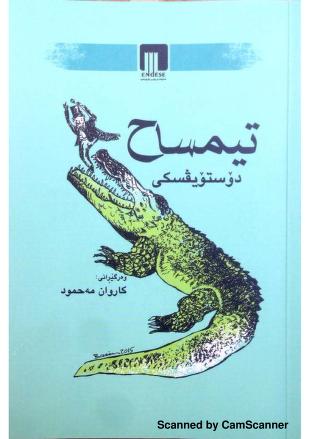
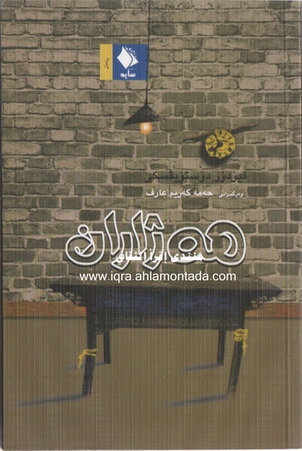
کتێبەکانی ئەم نووسەرە
2 کتێب دۆزرایەوە
PDF