نووسەران
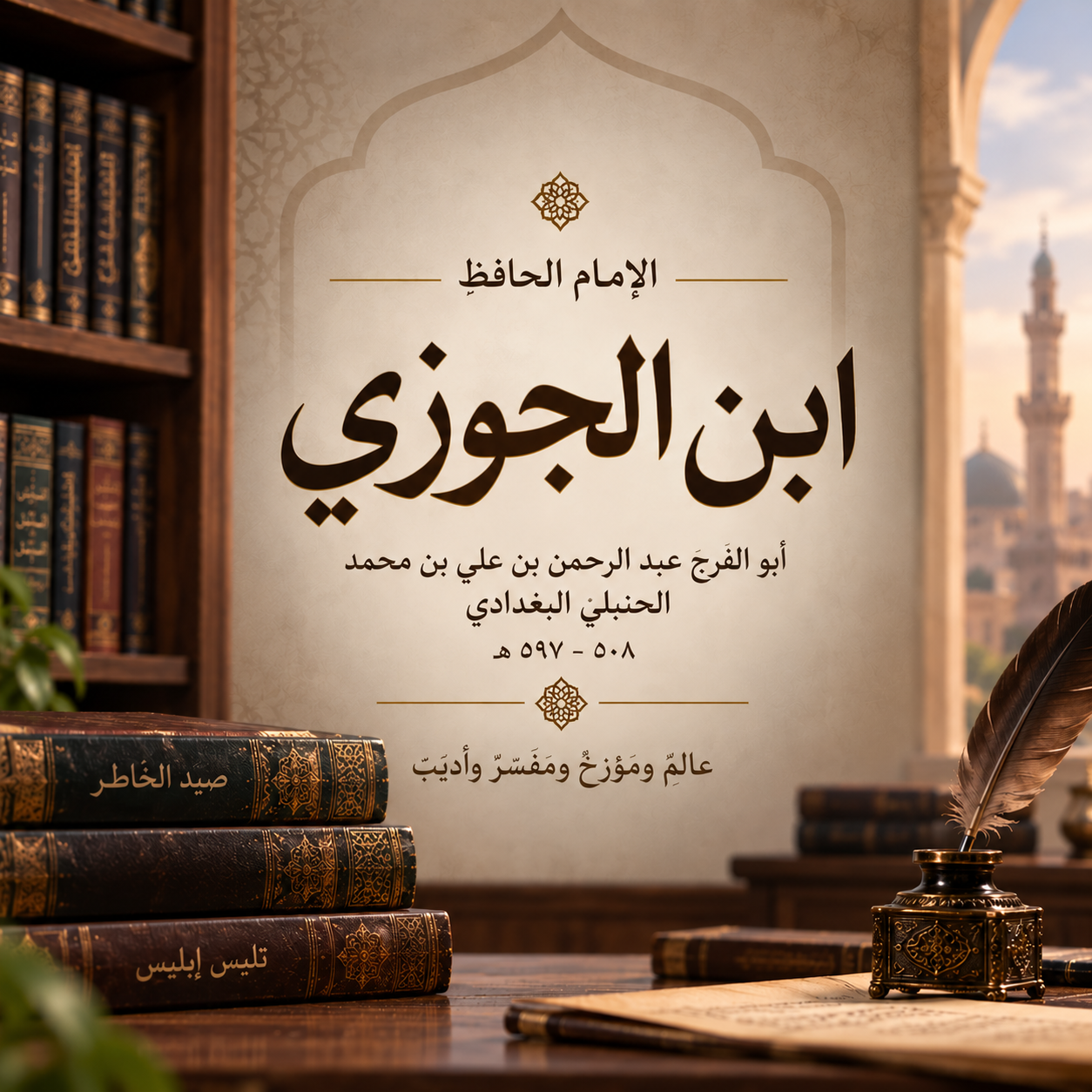
ابن الجوزي
ئەو نووسەرانە بناسە کە ئەم کتێبانەیان نووسیوە.
Ibn al-Jawzi Portfolio & Bio | پرۆفایلی تێروتەسەلی ئیبن ئەلجەوزی
کوردی (Kurdish)
ئەبو فەرەج جەمالەدین عەبدولڕەحمان کوڕی عەلی ناسراو بە ئیبن ئەلجەوزی (Ibn al-Jawzi)، یەکێکە لە فرەزانترین، بەناوبانگترین و پڕنووسینترین زانایانی مێژووی ئیسلامی لە سەدەی شەشەمی کۆچیدا (سەردەمی دەوڵەتی عەباسی). ئەو وەک فەقێ، حافیزی فەرموودە، مێژوونووس، و پێشەنگی گەورەی بواری وەعز و ئامۆژگاری دەناسرێت، و بەهۆی لێهاتوویی بێوێنەی لە وتاردان و قسەکردندا، نازناوی "شێخی عێراق" و "تاجی واعیزان"ی پێبەخشراوە.
ژیانی سەرەتا، پەروەردە و نازناو:
ئیبن ئەلجەوزی لە ساڵی ١١١٦ی زایینی (٥١٠ی کۆچی) لە شاری بەغداد لەدایکبووە، کە لەو سەردەمەدا پایتەختی ڕۆشنبیری جیهانی ئیسلامی بوو. ئەو لە خێزانێکی دەوڵەمەند گەورە بوو کە کاروانسەرایەکی گەورەیان هەبوو لە بەندەری بەغداد بە ناوی "مشرعة الجوز"، و نازناوەکەشی لەوەوە هاتووە. لە تەمەنی منداڵیدا باوکی کۆچی دوایی کرد، بەڵام دایکی و مامی گرنگییەکی زۆریان بە پەروەردەکردنی دا. ئەو لەسەر دەستی گەورە زانایانی سەردەمی خۆی لە بەغداد زانستەکانی قورئان، فەرموودە، زمانەوانی و فیقهی حەنبەلی خوێند و بوو بە یەکێک لە گەورەترین پارێزەران و نوێخوازانی ئەم مەزهەبە.
پێگە لە ئەدەب، وەعز و بەسەرهاتی زیندانیکردن:
ئیبن ئەلجەوزی تەنها زانایەکی کتێب نەبوو، بەڵکو کۆڕەکانی وەعزی ئەو لە بەغداد دەبوونە ڕووداوی گەورەی کۆمەڵایەتی؛ خەلیفەکان، وەزیرەکان و هەزاران کەس لە خەڵکی ئاسایی ئامادەی دەبوون و بەهۆی قسە بەپێزەکانییەوە سەدان کەس تۆبەیان دەکرد. لە کۆتاییەکانی ژیانیدا، بەهۆی ململانێ فیکری و سیاسییەکان و دژایەتیکردنی هەندێک تاقم لە دەسەڵاتدارانی ئەو سەردەمە، ڕووبەڕووی زیندانیکردن و دوورخستنەوە بووەوە بۆ شاری واسیت بۆ ماوەی پێنج ساڵ. دواتر گەڕایەوە بۆ بەغداد و لە ساڵی ١٢٠١ی زایینی (٥٩٧ی کۆچی) کۆچی دوایی کرد.
بڵاوکراوەکان و میراتی زانستی:
ئیبن ئەلجەوزی بە یەکێک لە پڕنووسینترین زانایانی مێژوو دادەنرێت؛ بە جۆرێک دەوترێت کاتێک خۆڵەمێشی ئەو قەڵەمانەی کە کتێبی پێ نووسیونەتەوە کۆکرانەوە، بەشی گەرمکردنی ئاوی شۆردنی تەرمەکەیان کردووە. گرنگترین بەرهەمەکانی بریتین لە:
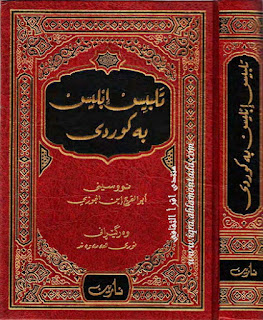
تلبيس إبليس (خەڵەتاندنی شەیتان): یەکێکە لە ناودارترین کتێبەکانی کە تێیدا بە ڕەخنەیەکی توند و زانستی، ئەو هەڵە و چەواشەکارییانە دەخاتە ڕوو کە کەوتوونەتە ناو فیکر، فەلسەفە، تەسەوف و عیبادەتی تاقمە جیاوازەکانەوە.
صيد الخاطر (ڕاوی ئەندێشە): پەڕتووکێکی دەروونی و فیکری ناوازەیە؛ کۆمەڵێک تێبینی، بیرۆکە و ئەزموونی ژیانی خۆیەتی کە بە شێوازێکی زۆر جوان و ئەدەبی نووسیویەتییەوە.
المنتظم في تاريخ الملوك والأمم: موسۆعەیەکی مێژوویی گەورەیە لەسەر مێژووی جیهان و ئیسلام لە سەرەتاوە تا سەردەمی خۆی، کە وەک سەرچاوەیەکی گرنگی مێژوویی سەیر دەکرێت.
زاد المسير في علم التفسير: تەفسیرێکی قووڵ و فرەوانە بۆ قورئانی پیرۆز کە تێیدا ڕوانگە جیاوازەکانی زمانەوانی و فیقهی کۆکردۆتەوە.
لەم پلاتفۆرمەدا، ئەم بەشە تەرخانکراوە بۆ پێشکەشکردنی لێکۆڵینەوە ئەکادیمییەکان، کورتکراوەی پەڕتووکەکان و شیکردنەوەی میراتی دەوڵەمەندی ئیمام ئیبن ئەلجەوزی.
English (ئینگلیزی)
Abu'l-Faraj Jamal al-Din Abd al-Rahman ibn Ali, historically immortalized as Ibn al-Jawzi, was one of the most polymathic, prolific, and celebrated Islamic scholars, historians, jurisconsults, and orators of the 6th century AH (the late Abbasid era). Revered as the pioneer of spiritual preaching and moral exhortation (*wa'z*), his unparalleled eloquence earned him the honorary titles of "The Shaykh of Iraq" and "The Crown of Preachers" across the Muslim world.
Early Life, Education, and Etymology of Name:
Ibn al-Jawzi was born in 1116 CE (510 AH) in the imperial capital of Baghdad, which was then the global epicenter of Islamic civilization and intellectual life. He was raised in a wealthy family that owned a prominent trading dock in Baghdad known as *Mashra'at al-Jawz* (The Walnut Port), from which his lineage acquired its famous cognomen. Despite losing his father during infancy, his mother and uncle ensured he received a rigorous education under the absolute foremost scholars of Baghdad, mastering Qur'anic exegesis, Hadith sciences, Arabic philology, and Hanbali jurisprudence.
Oratorical Supremacy and Political Exile:
Far from being confined to academic reclusion, Ibn al-Jawzi's public sermons in Baghdad became massive socio-cultural events. Abbasid Caliphs, imperial ministers, and tens of thousands of citizens regularly attended his gatherings, moved to tears by his rhetorical mastery. In his later years, due to intense theological disputes and his uncompromising stance against political factions, he faced institutional trial and was exiled to the city of Wasit for five years. He was later rehabilitated, returning to Baghdad where he passed away in 1201 CE (597 AH).
Monumental Bibliography and Polymathic Legacy:
Ibn al-Jawzi is celebrated as one of the most prolific authors in human history. A famous historical anecdote states that the wood shavings from the reed pens he used to transcribe Hadiths were collected and sufficed to heat the water for washing his body after his death. Key notable bibliography includes:
Talbis Iblis (The Devil's Deceptions): His iconic critical masterpiece, presenting a rigorous evaluation of the doctrinal errors and structural innovations that infiltrated theologians, philosophers, Sufis, and ascetic sects.
Sayd al-Khatir (Captured Thoughts): A unique spiritual and psychological diary containing his profound reflections, life experiences, and inner dialogues, written in highly sophisticated prose.
Al-Muntazam fi Tarikh al-Muluk wa-al-Umam: A monumental multi-volume universal chronicle tracking global history and Islamic dynasties from creation down to his contemporary era.
Zad al-Maseer fi 'Ilm at-Tafseer: An encyclopedic and balanced commentary on the Holy Qur'an, celebrated for its analytical handling of linguistic and jurisprudential variants.
On this website, this profile acts as an academic and educational hub dedicated to providing contextualized historical readings, textual analyses, and critical breakdowns of the literature of Imam Ibn al-Lawzi.
کتێبەکانی ئەم نووسەرە
1 کتێب دۆزرایەوە