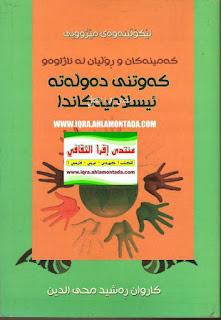
تفاصيل الكتاب
کەمینەکان و ڕۆلیان لە ئاژاوە و کەوتنی دەوڵەتە ئیسلامیەکاندا-Minorities and the Fall of Islamic States
عن هذا الكتاب
أوصاف الكتب الأصلية محفوظة بلغاتها الحالية.
کەمینەکان و ڕۆلیان لە ئاژاوە و کەوتنی دەوڵەتە ئیسلامیەکاندا

ناساندنی کتێبی: کەمینەکان و ڕۆڵیان لە ئاژاوە و کەوتنی دەوڵەتە ئیسلامییەکاندا
Book Review: Minorities and Their Role in the Fall of Islamic States
کتێبی “کەمینەکان و ڕۆڵیان لە ئاژاوە و کەوتنی دەوڵەتە ئیسلامییەکاندا” لە نووسینی توێژەر کاروان ڕەشید محێدین، لێکۆڵینەوەیەکی مێژوویی و سیاسییە دەربارەی یەکێک لە هۆکارە ناوخۆییەکانی لاوازبوون و ڕووخانی دەسەڵاتە ئیسلامییەکان لە درێژایی مێژوودا. نووسەر لەم کتێبەدا هەوڵدەدات تیشک بخاتە سەر ئەو گرووپ و کەمینە ئایینی و نەتەوەییانەی کە لە هەندێک وێستگەی مێژووییدا ڕۆڵیان هەبووە لە نانەوەی ئاژاوە یان هاوکاریکردنی هێزە دەرەکییەکان بۆ لێدانی قەوارەی دەوڵەتی ئیسلامی.
تەوەرە سەرەکییەکانی کتێبەکە (Key Themes)
نووسەر لەم لێکۆڵینەوەیەدا چەند ڕەهەندێکی مێژوویی و ستراتیژی دەپشکنێت:
-
نەخشەی کەمینەکان: ناساندنی جۆرەکانی کەمینە لە ناو دەوڵەتە ئیسلامییەکان (کەمینەی ئایینی، مەزهەبی و نەتەوەیی).
-
ئاژاوە ناوخۆییەکان: شیکردنەوەی ئەو بزووتنەوە و ڕاپەڕینانەی کە لە ناوخۆی دەوڵەتەکاندا (وەک سەردەمی عەباسی و عوسمانی) لە لایەن هەندێک گرووپەوە ئەنجام دراون.
-
هاوپەیمانییە دەرەکییەکان: باس لەو قۆناغانە دەکات کە تێیدا هەندێک کەمینە بوونەتە پردێک بۆ هاتنە ناوەوەی داگیرکاری دەرەکی (وەک هاوکاری کردنی مەغۆلەکان یان خاچپەرستەکان).
-
هۆکارەکانی کەوتن: لێکدانەوەی ئەوەی کە ئایا “پەراوێزخستنی کەمینەکان” یان “بەکارهێنانیان وەک ئامراز” کامەیان زیاتر بووەتە هۆی هەڵوەشانەوەی دەوڵەتەکان.
Book Introduction: Minorities and the Fall of Islamic States
“Minorities and Their Role in Turmoil and the Fall of Islamic States” by Karwan Rashid Muhyiddin is a provocative historical and political analysis. The book delves into the complex dynamics between the central Islamic authorities and the various minority groups—religious, ethnic, and sectarian—throughout history.
The author examines how certain minority movements were exploited by foreign powers or rose from within to challenge the stability of major Islamic empires, such as the Abbasids and the Ottomans. Muhyiddin provides a critical look at the geopolitical shifts and internal vulnerabilities that led to the disintegration of these states, focusing on the role of internal dissent and strategic alliances. It is a scholarly attempt to understand the historical roots of instability in the Middle East and the Islamic world from a unique perspective.
Key Highlights:
-
Political Sociology: Analyzing the relationship between the state and its sub-groups.
-
Historical Case Studies: From the early Caliphates to the late Ottoman Empire.
-
Security & Stability: How internal cohesion (or lack thereof) determines the fate of nations.
زانیارییەکانی کتێب | Book Metadata
| زانیارییەکان / Info | وردەکاری / Details |
| ناونیشانی کتێب | کەمینەکان و ڕۆڵیان لە ئاژاوە و کەوتنی دەوڵەتە ئیسلامییەکاندا |
| نووسەر / Author | کاروان ڕەشید محێدین |
| بابەت / Genre | مێژووی سیاسی / کۆمەڵناسی / لێکۆڵینەوە |
| تایبەتمەندی | شیکردنەوەی هۆکارە ناوخۆییەکانی ڕووخانی دەوڵەت |